Lista filmów | Liste des films | List of films
Budowniczy
Le Bâtisseur / The Builder
(Polska, 1988, 9 min) reż. Jerzy Krysiak

PL
Anonimowy portret człowieka, który buduje osobliwy „pałac” z odpadów budowlanych, folii, dykty i pamiątek. Dom i obejście stają się tu osobistą wizją rzeczywistości oraz manifestem egzystencjalnym. Film rejestruje przestrzeń stworzoną według własnych reguł, na styku potrzeby schronienia, wyobraźni i pamięci. Jest także zapisem momentu, w którym autor próbuje zapewnić sobie symboliczną nieśmiertelność poprzez dzieło. Sam fakt bycia filmowanym staje się częścią tego gestu.
FR
Portrait anonyme d’un homme qui construit un « palais » singulier à partir de matériaux de récupération, de plastique, de planches et d’objets-souvenirs. La maison et son environnement deviennent une vision intime du monde, presque un manifeste existentiel. Le film capte un espace façonné selon ses propres règles, à la croisée du besoin d’abri, de l’imaginaire et de la mémoire. Il saisit aussi l’instant où l’auteur tente de se donner une forme d’immortalité symbolique à travers son œuvre. Le fait même d’être filmé fait partie de ce geste.
EN
An anonymous portrait of a man who builds an unusual “palace” out of construction debris, plastic sheets, plywood, and keepsakes. His house and surroundings become a deeply personal vision of reality—almost an existential manifesto. The film captures a space shaped by its own rules, at the intersection of the need for shelter, imagination, and memory. It also records a moment in which the author seeks a form of symbolic immortality through his work. Even the act of being filmed becomes part of that gesture.
language / langage / język oryginalny : PL
subtitles / sous-titres / napisy : EN, FR
ścieżki / pistes / tracks (PL): AD + lektor
Grand Atelier
Grand Atelier / Grand Atelier
(Belgia, 2025, 55 min) reż. Yves Robic
PL
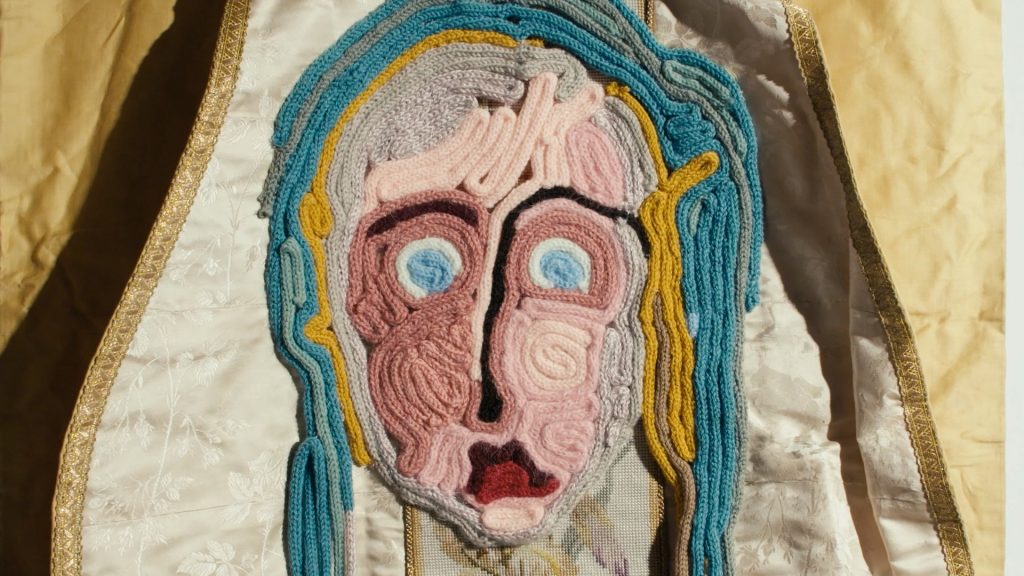
Dokument poświęcony działalności La „S” Grand Atelier — centrum sztuki Art Brut i współczesnej w belgijskim Vielsalm. Film obserwuje codzienną pracę artystów o różnych doświadczeniach, którzy spotykają się tu wokół praktyki twórczej opartej na geście, procesie i współpracy. Kamera skupia się na samym akcie tworzenia: rytmie pracy, materialności rysunku i relacjach budujących wspólną przestrzeń. Poznajemy m.in. Irene Gerard, Pascala Cornelisa, Pakito Bolino oraz Anne-Françoise Rouche. To opowieść o sztuce jako doświadczeniu wspólnoty, wolności i uważności.
Yves Robic jest reżyserem radiowym i producentem. Po studiach historycznych związał się z teatrem, a następnie z radiem i muzyką elektroakustyczną. Grand Atelier jest jego pierwszym filmem.
FR
Un documentaire consacré à La « S » Grand Atelier, centre d’art dédié à l’Art Brut et à la création contemporaine à Vielsalm, en Belgique. Le film suit le travail quotidien d’artistes aux parcours variés, réunis autour d’une pratique fondée sur le geste, le processus et la collaboration. La caméra se concentre sur l’acte de créer lui-même : le rythme du travail, la matérialité du dessin et les relations qui façonnent un espace commun. On y découvre notamment Irene Gerard, Pascal Cornelis, Pakito Bolino et Anne-Françoise Rouche. C’est un récit où l’art devient une expérience de communauté, de liberté et d’attention.
Yves Robic est réalisateur radiophonique et producteur. Après des études d’histoire, il s’oriente vers le théâtre, puis la radio et la musique électroacoustique. Grand Atelier est son premier film.
EN
A documentary dedicated to La “S” Grand Atelier, a centre for Art Brut and contemporary art in Vielsalm, Belgium. The film follows the daily work of artists from diverse backgrounds, brought together through a creative practice grounded in gesture, process, and collaboration. The camera focuses on the act of making itself: the rhythm of work, the materiality of drawing, and the relationships that shape a shared space. Among others, we meet Irene Gerard, Pascal Cornelis, Pakito Bolino, and Anne-Françoise Rouche. It is a story of art as an experience of community, freedom, and attentiveness.
Yves Robic is a radio director and producer. After studying history, he moved into theatre, then radio and electroacoustic music. Grand Atelier is his first film.
language / langage / język oryginalny : FR
subtitles / sous-titres / napisy : EN, PL
ścieżki / pistes / tracks (PL): AD + lektor
Jean-Luc Johannet, Anarchitekt
Jean-Luc Johannet, Anarchitecte / Anarchitect: Jean-Luc Johannet
(Francja, 2025, 90 min) reż. Danilo Proietti
PL
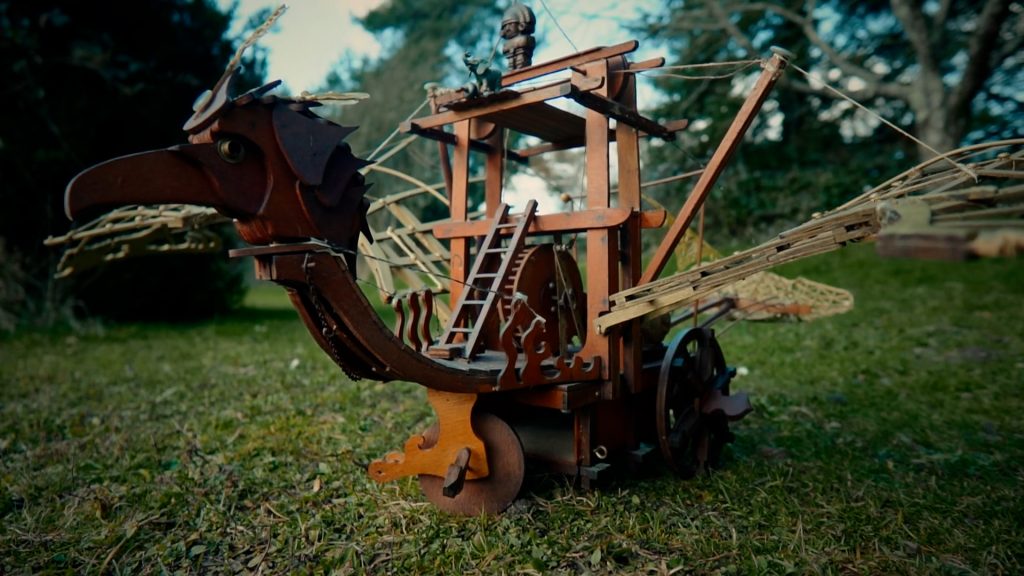
Pierwszy filmowy portret Jeana-Luca Johanneta — artysty sytuującego się poza głównym obiegiem historii architektury i sztuki. Po studiach architektonicznych porzucił akademickie reguły, rozwijając własną ideę „architektury-rzeźby”, sytuującej się między budowlą, obiektem artystycznym i projektem utopijnym. Film łączy biografię bohatera z jego refleksjami o społeczeństwie, polityce i wolności. Narracja oparta na wypowiedziach, archiwach i obserwacji pracy pokazuje architekturę jako narzędzie myślenia i formę sprzeciwu wobec norm. To opowieść o konsekwentnie rozwijanej postawie twórczej, w której przestrzeń odzyskuje wymiar symboliczny i emocjonalny.
Danilo Proietti jest wideografem i producentem wydarzeń, samoukiem działającym na styku filmu dokumentalnego, outsider art i praktyk społecznych. Współtworzy m.in. stowarzyszenia Patrimoines Irréguliers de France oraz Autour de la Cathédrale de Jean Linard. Od 2019 roku realizuje własne projekty dokumentalne.
FR
Premier portrait filmé de Jean-Luc Johannet, artiste situé en dehors des récits dominants de l’histoire de l’architecture et de l’art. Après des études d’architecture, il abandonne les cadres académiques pour développer sa propre idée d’« architecture-sculpture », à la croisée du bâti, de l’objet artistique et du projet utopique. Le film mêle biographie et réflexion sur la société, la politique et la liberté. À travers témoignages, archives et observation du travail, il montre l’architecture comme outil de pensée et forme de résistance aux normes. C’est le récit d’une démarche artistique poursuivie avec constance, où l’espace retrouve une dimension symbolique et émotionnelle.
Danilo Proietti est vidéaste et producteur d’événements, autodidacte à la croisée du documentaire, de l’outsider art et des pratiques sociales. Il cofonde notamment les associations Patrimoines Irréguliers de France et Autour de la Cathédrale de Jean Linard. Depuis 2019, il développe ses propres projets documentaires.
EN
The first film portrait of Jean-Luc Johannet, an artist operating outside the mainstream narratives of architecture and art history. After studying architecture, he turned away from academic frameworks to develop his own concept of “architecture-as-sculpture,” situated between construction, artwork, and utopian project. The film weaves together biography and reflections on society, politics, and freedom. Through testimonies, archives, and observation, it presents architecture as a tool for thinking and a form of resistance to established norms. It is the story of a consistently developed artistic approach in which space regains a symbolic and emotional dimension.
Danilo Proietti is a videographer and event producer, a self-taught artist working at the intersection of documentary film, outsider art, and social practices. He co-founded associations such as Patrimoines Irréguliers de France and Autour de la Cathédrale de Jean Linard. Since 2019, he has been developing his own documentary projects.
language / langage / język oryginalny : FR
subtitles / sous-titres / napisy : EN, PL
ścieżki / pistes / tracks (PL): AD + lektor
Kustosz, Art Brut i rabusie
Le fonctionnaire, l’Art Brut et les Cambrioleurs / The Civil Servant, Art Brut, and the Burglars
(Francja, 2025, 50 min) reż. Philippe Lespinasse
PL
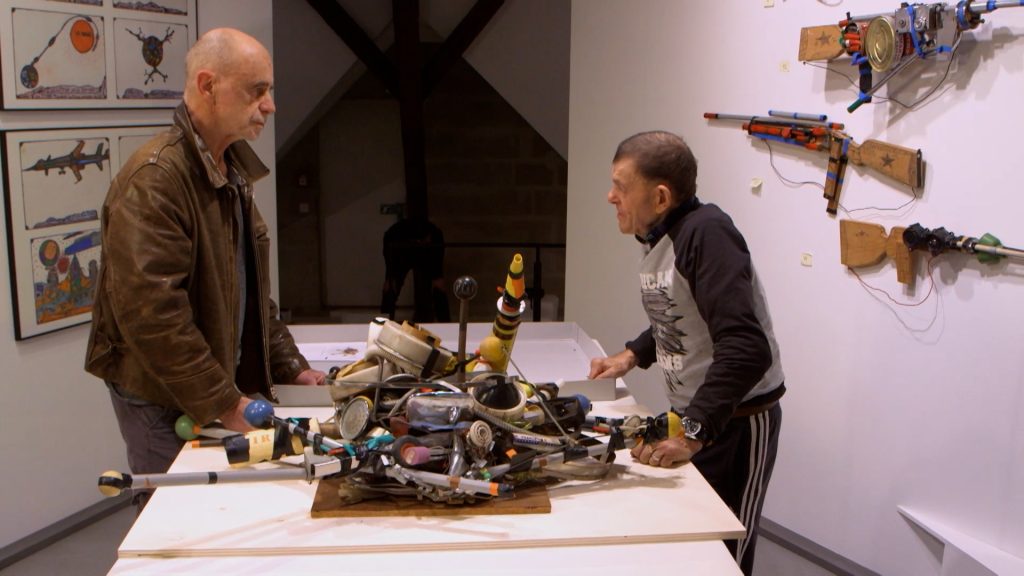
Portret Michela Thévoza — pierwszego dyrektora Collection de l’Art Brut w Lozannie, którą kierował przez 25 lat. Film powraca do jego biografii, doświadczeń kuratorskich i refleksji o źródłach sztuki outsiderów. Thévoz mówi o dzieciństwie jako przestrzeni twórczości, o stereotypach związanych z „innością” oraz o sposobach patrzenia na Art Brut. W filmie pojawiają się również prace i historie takich twórców jak Anna Zemánková, André Robillard i Josef Hofer. To dokument o pamięci, myśleniu o sztuce i przywracaniu znaczenia temu, co długo pozostawało na marginesie.
Philippe Lespinasse jest reporterem, reżyserem filmów dokumentalnych i kuratorem wystaw. Zrealizował około czterdziestu filmów monograficznych poświęconych twórcom Art Brut i od lat bada historię outsider art. Prowadzi także działania na rzecz przywracania pamięci o zapomnianych artystach i artystkach.
FR
Portrait de Michel Thévoz, premier directeur de la Collection de l’Art Brut à Lausanne, qu’il a dirigée pendant vingt-cinq ans. Le film revient sur son parcours, son expérience curatoriale et ses réflexions sur les sources de l’art outsider. Thévoz évoque l’enfance comme espace de création, les stéréotypes liés à « l’altérité » et les manières de regarder l’Art Brut. On y découvre également les œuvres et les histoires d’artistes tels qu’Anna Zemánková, André Robillard et Josef Hofer. C’est un film sur la mémoire, la pensée de l’art et la redécouverte de ce qui est resté longtemps en marge.
Philippe Lespinasse est reporter, réalisateur de documentaires et commissaire d’exposition. Il a réalisé une quarantaine de films monographiques consacrés à des créateurs d’Art Brut et explore depuis des années l’histoire de l’outsider art. Il mène également des actions visant à restaurer la mémoire d’artistes oubliés.
EN
A portrait of Michel Thévoz, the first director of the Collection de l’Art Brut in Lausanne, which he led for twenty-five years. The film revisits his biography, curatorial experience, and reflections on the roots of outsider art. Thévoz speaks about childhood as a space of creativity, about stereotypes linked to “otherness,” and about ways of looking at Art Brut. The film also features works and stories by artists such as Anna Zemánková, André Robillard, and Josef Hofer. It is a documentary about memory, thinking about art, and restoring significance to what long remained on the margins.
Philippe Lespinasse is a reporter, documentary filmmaker, and exhibition curator. He has directed around forty monographic films dedicated to Art Brut creators and has long researched the history of outsider art. He is also involved in initiatives aimed at restoring the memory of overlooked artists.
language / langage / język oryginalny : FR
subtitles / sous-titres / napisy : EN, PL
ścieżki / pistes / tracks (PL): AD + lektor
Mechanika myśli
Mécanique de la pensée / The Mechanics of Thought
(Polska, 2026, 15 min) reż. Andrzej Kwasiborski, Radosław Łabarzewski
PL
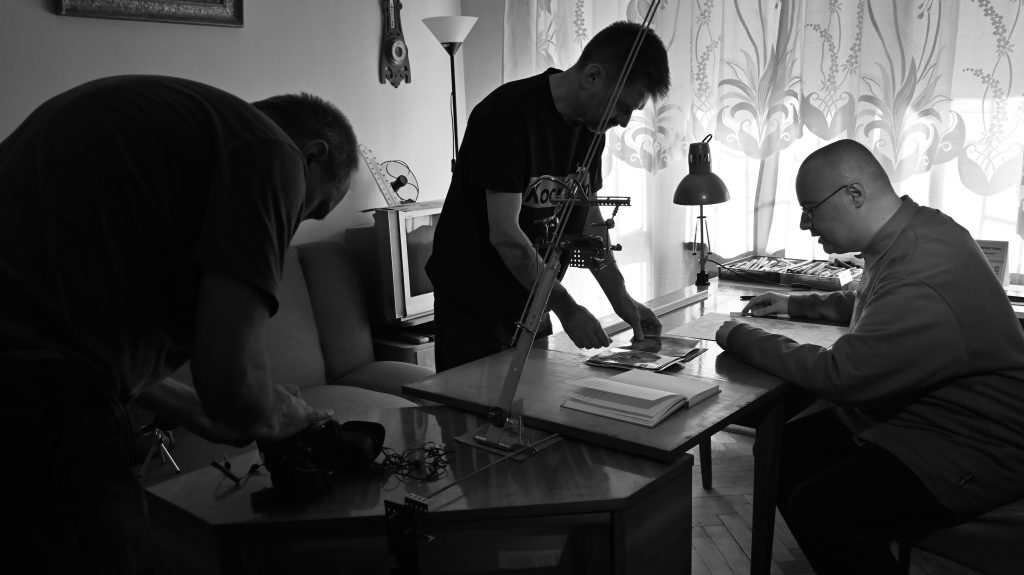
Film wprowadza w świat Wiktora Gorazdowskiego — rysownika i ilustratora, który z inżynierską precyzją tworzy złożone układy maszyn, przekroje i sceny zawieszone między rzeczywistością a wyobraźnią. Spotkanie z artystą odbywa się w jego warszawskiej pracowni, gdzie codzienność staje się przestrzenią pracy twórczej. Jego rysunki przypominają techniczne schematy, ale niosą również silny ładunek emocjonalny i metaforyczny. Bohaterowie tych prac poddawani są próbom, zabiegom i sytuacjom granicznym, odsłaniając napięcia psychiczne, społeczne i duchowe. Film staje się opowieścią o procesie tworzenia oraz o tym, co artysta nazywa „mechaniką myśli”.
Andrzej Kwasiborski jest kolekcjonerem art brut, a Radosław Łabarzewski — animatorem kultury. Od 25 lat wspólnie poszukują twórców outsider art, badają ich dorobek i realizują wystawy. W 2021 roku rozpoczęli projekt „Inni. Sztuka jest tam, gdzie nikt nie szuka”, którego celem jest dokumentowanie i zachowanie nieoczywistego dziedzictwa art brut i outsider art. Dotąd wspólnie zrealizowali siedem portretów filmowych.
FR
Le film nous plonge dans l’univers de Wiktor Gorazdowski, dessinateur et illustrateur qui conçoit, avec une précision d’ingénieur, des systèmes de machines complexes, des coupes techniques et des scènes suspendues entre réalité et imagination. La rencontre avec l’artiste se déroule dans son atelier à Varsovie, où le quotidien devient un espace de création. Ses dessins évoquent des schémas techniques, tout en portant une forte charge émotionnelle et métaphorique. Les figures qui les habitent sont soumises à des épreuves, des interventions et des situations limites, révélant des tensions psychiques, sociales et spirituelles. Le film devient un récit du processus de création et de ce que l’artiste appelle la « mécanique de la pensée ».
Andrzej Kwasiborski est collectionneur d’art brut, et Radosław Łabarzewski est animateur culturel. Depuis 25 ans, ils parcourent ensemble la Pologne à la recherche de créateurs d’outsider art, étudient leur travail et organisent des expositions. En 2021, ils ont lancé le projet « Differents. L’art est là où on ne l’attend pas », consacré à la documentation et à la préservation d’un patrimoine méconnu de l’art brut et de l’outsider art. À ce jour, ils ont réalisé ensemble sept portraits filmés.
EN
The film introduces the world of Wiktor Gorazdowski, a draftsman and illustrator who, with engineering precision, creates complex machine systems, cross-sections, and scenes suspended between reality and imagination. The encounter takes place in his Warsaw studio, where everyday life becomes a space for creative work. His drawings resemble technical diagrams but also carry a strong emotional and metaphorical charge. The figures inhabiting them are subjected to trials, interventions, and extreme situations, revealing psychological, social, and spiritual tensions. The film becomes a story about the creative process and what the artist calls the “mechanics of thought.”
Andrzej Kwasiborski is a collector of art brut, and Radosław Łabarzewski is a cultural animator. For 25 years, they have worked together to find creators of outsider art, study their work, and organize exhibitions. In 2021, they launched the project “Inni. Sztuka jest tam, gdzie nikt nie szuka” (“Differents. Art is where you least expect it”), aimed at documenting and preserving the less obvious heritage of art brut and outsider art. So far, they have created seven film portraits together.
language / langage / język oryginalny : PL
subtitles / sous-titres / napisy : EN, FR
ścieżki / pistes / tracks (PL): AD + lektor
Michel Golz, kartograf
Michel Golz, cartographe / Michel Golz, Cartographer
(Szwajcaria, Francja, Niemcy, 33 min) reż. Philippe Lespinasse, Andrés Alvarez
PL
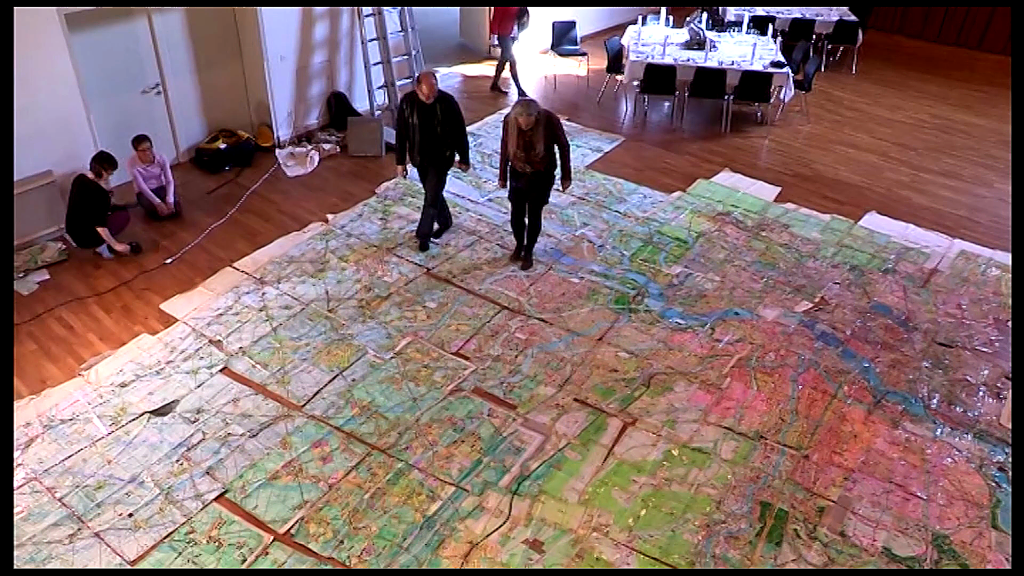
Zapraszamy do „Athosland” — wyimaginowanego kraju stworzonego przez Michaela Golza, nad którym pracuje od dzieciństwa. To rozległe uniwersum łączy elementy codzienności z fantazją, niepokojem i humorem. Miasta i wioski mają własną infrastrukturę, instytucje i zasady, a mieszkańcy cieszą się niemal absolutną wolnością. Całość rozwija się w formie imponującej mapy topograficznej złożonej z ponad 1200 kartonowych arkuszy o powierzchni około 14 × 17 metrów. Film jest portretem twórcy, który dzień po dniu rozbudowuje świat istniejący według własnej logiki.
FR
Bienvenue à « Athosland », un pays imaginaire créé par Michael Golz, qu’il développe depuis son enfance. Cet univers foisonnant mêle éléments du quotidien, imagination, inquiétude et humour. Villes et villages y disposent de leur propre infrastructure, de leurs institutions et de leurs règles, tandis que leurs habitants jouissent d’une liberté presque absolue. L’ensemble prend la forme d’une impressionnante carte topographique composée de plus de 1200 feuilles de carton, couvrant environ 14 × 17 mètres. Le film est le portrait d’un créateur qui, jour après jour, construit un monde régi par sa propre logique.
EN
Welcome to “Athosland,” an imaginary country created by Michael Golz, which he has been developing since childhood. This vast universe blends everyday elements with fantasy, unease, and humor. Its cities and villages have their own infrastructure, institutions, and rules, while their inhabitants enjoy almost absolute freedom. The whole takes the form of an impressive topographic map made up of more than 1,200 cardboard sheets, covering approximately 14 × 17 meters. The film portrays a creator who, day by day, expands a world governed by his own logic.
language / langage / język oryginalny : DE
subtitles / sous-titres / napisy : FR, PL
ścieżki / pistes / tracks (PL): AD + lektor
Ogród drewnianych figur
Jardin de figures en bois / The Garden of Wooden Figures
(Polska, 1981, 20 min) reż. Stanisław Trzaska
PL
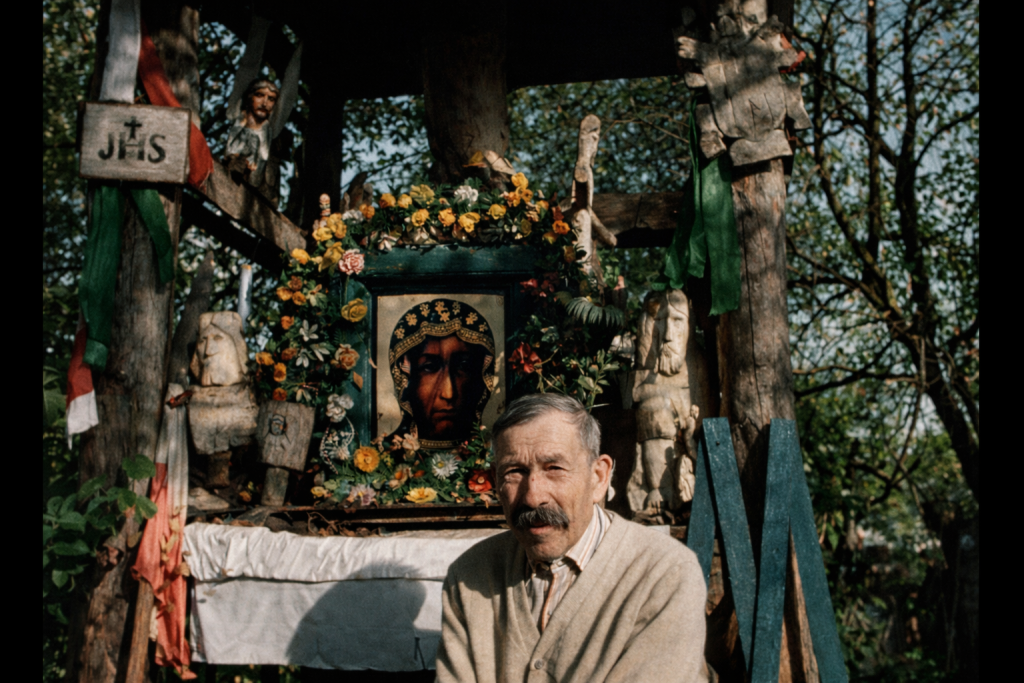
Film o Janie Bernasiewiczu — twórcy-samouku z Jaworzna koło Kielc — został odnaleziony po 45 latach w archiwach TVP. Dokument pokazuje jego rzeźby w naturalnym środowisku ogrodu, który artysta sam zaprojektował i uporządkował. Choć ogród już nie istnieje, większość z około 720 prac przetrwała i trafiła do zbiorów Parku Etnograficznego w Tokarni. Bernasiewicz tworzył figury bohaterów narodowych, świętych, postaci mitologicznych, zwierząt i demonów, traktując twórczość jako formę pamięci i codziennego rytuału. Film zachowuje w ruchu świat, którego dziś nie można już zobaczyć.
FR
Film consacré à Jan Bernasiewicz, créateur autodidacte originaire de Jaworzno, près de Kielce, redécouvert après 45 ans dans les archives de la télévision publique polonaise. Le documentaire montre ses sculptures dans le cadre naturel du jardin qu’il a lui-même conçu et organisé. Bien que ce jardin n’existe plus, la majorité des quelque 720 œuvres a été préservée et intégrée aux collections du Parc ethnographique de Tokarnia. Bernasiewicz réalisait des figures de héros nationaux, de saints, de personnages mythologiques, d’animaux et de démons, faisant de la création un acte de mémoire et un rituel quotidien. Le film conserve en mouvement un monde aujourd’hui disparu.
EN
A film about Jan Bernasiewicz, a self-taught artist from Jaworzno near Kielce, rediscovered after 45 years in the archives of Polish Television. The documentary shows his sculptures in the natural setting of the garden he designed and organized himself. Although the garden no longer exists, most of its approximately 720 works have survived and are now part of the collection of the Ethnographic Park in Tokarnia. Bernasiewicz created figures of national heroes, saints, mythological characters, animals, and demons, treating artistic practice as a form of memory and a daily ritual. The film preserves in motion a world that can no longer be seen today.
language / langage / język oryginalny : PL
subtitles / sous-titres / napisy : EN, FR
ścieżki / pistes / tracks (PL): AD + lektor
Ołtarz świtu Ni-Tanjung
L’autel de l’aube de Ni-Tanjung / The Dawn Altar of Ni-Tanjung
(Szwajcaria, 2006, 9 min) reż. Erica Manoni
PL
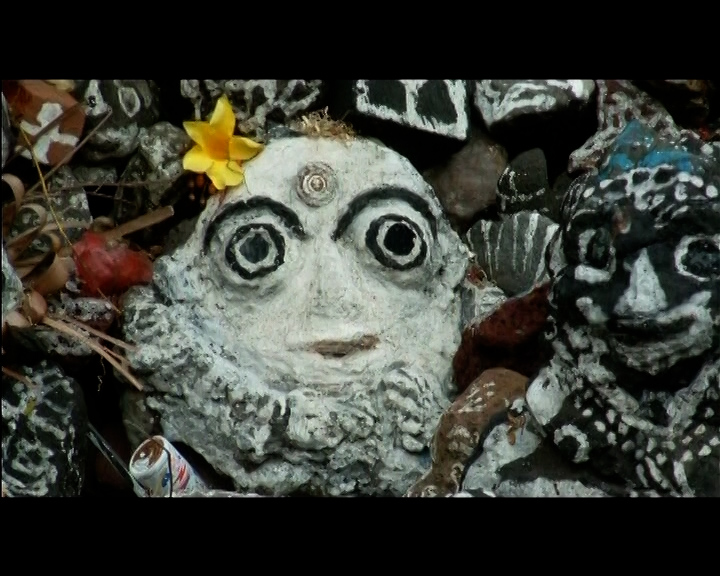
Ni-Tanjung tworzy niezwykły ołtarz z wulkanicznych kamieni, na których maluje twarze białą farbą. Każdego ranka dekoruje go świeżymi kwiatami, śpiewa i tańczy, budując własny rytuał obecności. Nocą wycina setki papierowych postaci, które układa w formy przypominające drzewo lub fantastyczny tłum. Jej działania wyrastają z osobistego doświadczenia straty, pamięci i izolacji. Film ukazuje intymny, wyobrażony świat, w którym sztuka staje się formą codziennego kontaktu z tym, co niewidzialne.
Erika Manoni – włoska montażystka filmowa i reżyserka dokumentalna. Absolwentka historii i krytyki filmu na Uniwersytecie w Sienie, kształciła się także w zakresie muzyki filmowej u Ennio Morricone. Od połowy lat 90. pracuje jako montażystka filmów fabularnych i dokumentalnych, współpracując m.in. przy Biutiful. Współzałożycielka rzymskiej firmy produkcyjnej Blue Film, autorka nagradzanego dokumentu „I graffiti della mente” (2002). Od lat związana również z edukacją filmową jako wykładowczyni montażu i certyfikowana instruktorka Avid Media Composer.
FR
Ni-Tanjung crée un autel singulier à partir de pierres volcaniques sur lesquelles elle peint des visages à la peinture blanche. Chaque matin, elle le décore de fleurs fraîches, chante et danse, construisant son propre rituel de présence. La nuit, elle découpe des centaines de figures en papier qu’elle assemble en formes évoquant un arbre ou une foule fantastique. Ses gestes prennent racine dans une expérience intime de perte, de mémoire et d’isolement. Le film révèle un univers imaginaire et intime où l’art devient une forme de relation quotidienne avec l’invisible.
Erika Manoni est monteuse et réalisatrice de documentaires italienne. Diplômée en histoire et critique du cinéma à l’Université de Sienne, elle s’est également formée à la musique de film auprès d’Ennio Morricone. Depuis le milieu des années 1990, elle travaille comme monteuse sur des films de fiction et des documentaires, notamment sur « Biutiful ». Cofondatrice de la société de production romaine Blue Film, elle est aussi l’autrice du documentaire primé « I graffiti della mente » (2002). Elle enseigne le montage et est formatrice certifiée Avid Media Composer.
EN
Ni-Tanjung creates a remarkable altar from volcanic stones on which she paints faces in white. Every morning, she decorates it with fresh flowers, sings, and dances, building her own ritual of presence. At night, she cuts out hundreds of paper figures and arranges them into forms resembling a tree or a fantastical crowd. Her actions stem from a personal experience of loss, memory, and isolation. The film reveals an intimate, imagined world where art becomes a daily way of connecting with the invisible.
Erika Manoni is an Italian film editor and documentary filmmaker. She studied history and film criticism at the University of Siena and also trained in film music with Ennio Morricone. Since the mid-1990s, she has worked as an editor on feature films and documentaries, including „Biutiful”. She co-founded the Rome-based production company Blue Film and directed the award-winning documentary „I graffiti della mente” (2002). She is also active in film education as an editing lecturer and a certified Avid Media Composer instructor.
language / langage / język oryginalny : FR
subtitles / sous-titres / napisy : EN, PL
ścieżki / pistes / tracks (PL): AD + lektor
Oswajanie świata: Adam Dembiński
Domestiquer le monde : Adam Dembiński / Taming the World: Adam Dembiński
(Polska, 2003, 6 min) reż. Władysław Jurkow
PL
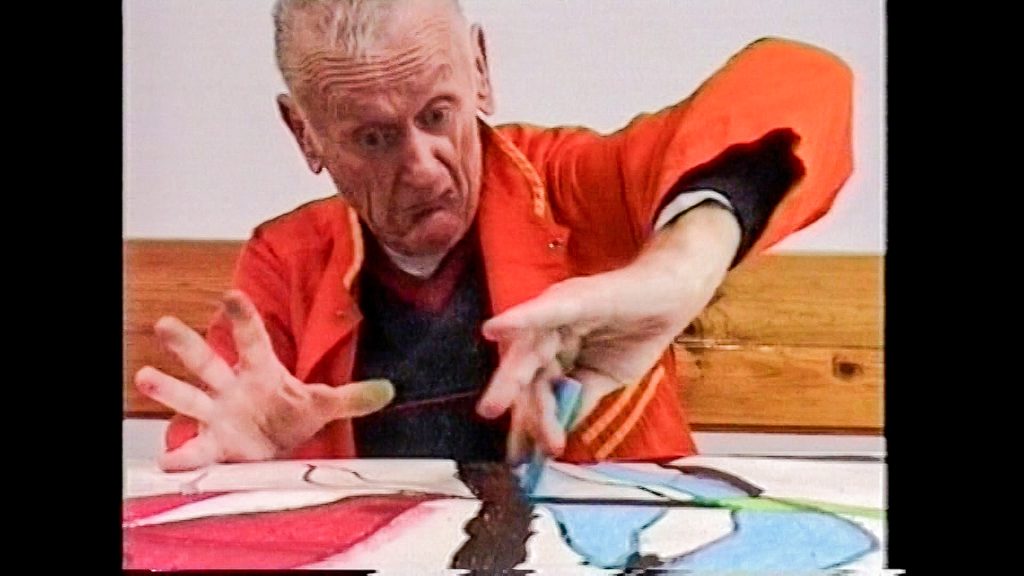
Pozbawiona dialogów i komentarza obserwacja życia oraz pracy jednego z najbardziej wyjątkowych twórców Art Brut w Polsce. Kamera śledzi Adama Dembińskiego podczas rysowania i codziennych czynności, koncentrując się na geście, rytmie i skupieniu. Jego prace wyróżnia mocna konturowa kreska, uproszczone formy i intensywność przedstawień czerpanych z pamięci, fantazji i doświadczenia. Pojawiają się w nich zwierzęta, sprzęty rolnicze, militaria oraz sceny intymne. To krótki, ale uważny portret twórcy, który budował własny język obrazowania mimo braku edukacji i społecznego uznania.
Władysław Jurkow jest reżyserem i dziennikarzem współpracującym m.in. z TVP, HBO i WDR. Realizował również filmy związane z polskimi misjami archeologicznymi w Egipcie i Sudanie.
FR
Observation sans dialogues ni commentaire de la vie et du travail de l’un des créateurs d’Art Brut les plus singuliers en Pologne. La caméra suit Adam Dembiński dans ses dessins et ses gestes quotidiens, en se concentrant sur le rythme, le geste et la concentration. Ses œuvres se distinguent par un trait appuyé, des formes simplifiées et une intensité issue de la mémoire, de l’imagination et de l’expérience. On y trouve des animaux, des machines agricoles, des éléments militaires et des scènes intimes. Un portrait bref mais attentif d’un artiste qui a construit son propre langage visuel en dehors des cadres académiques.
Władysław Jurkow est réalisateur et journaliste, collaborant notamment avec TVP, HBO et WDR. Il a également réalisé des films liés aux missions archéologiques polonaises en Égypte et au Soudan.
EN
A dialogue-free observation of the life and work of one of the most distinctive Art Brut creators in Poland. The camera follows Adam Dembiński as he draws and goes about his daily activities, focusing on gesture, rhythm, and concentration. His works are marked by a strong contour line, simplified forms, and an intensity drawn from memory, imagination, and experience. Animals, agricultural machinery, military elements, and intimate scenes appear throughout. A brief yet attentive portrait of an artist who developed his own visual language outside formal education and social recognition.
Władysław Jurkow is a director and journalist who has collaborated with TVP, HBO, and WDR. He has also made films related to Polish archaeological missions in Egypt and Sudan.
language / langage / język oryginalny : —
subtitles / sous-titres / napisy : —
ścieżki / pistes / tracks (PL): AD
Oswajanie świata: Halina Dylewska
Domestiquer le monde : Halina Dylewska / Taming the World: Halina Dylewska
(Polska, 2003, 6 min) reż. Władysław Jurkow
PL
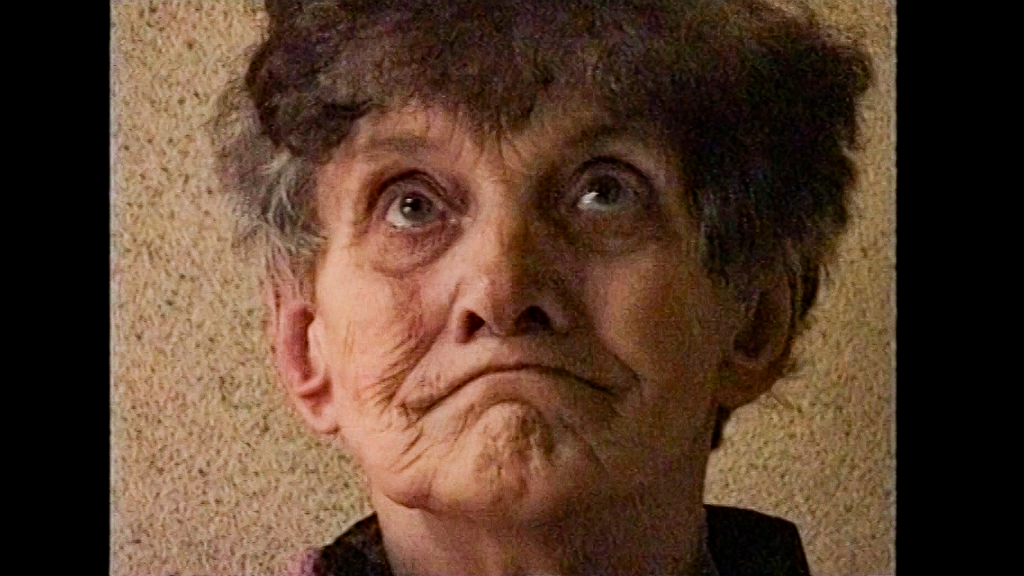
Halina Dylewska siedzi na korytarzu domu pomocy społecznej i obserwuje przechodzących współmieszkańców z intensywnością obecną także w jej malarstwie. Film, podobnie jak inne realizacje z cyklu Oswajanie świata, jest pozbawiony dialogów i komentarza. Skupia się na obecności bohaterki oraz sile jej obrazów, pełnych postaci o kolistych kształtach, rogach i grubych konturach. Jej malarstwo łączy ekspresję z wyrazistą kolorystyką — od nasyconych czerwieni i granatów po delikatniejsze róże i żółcienie. To zwięzły portret artystki, której talent odkryto w ramach akcji „Oto ja”.
FR
Halina Dylewska est assise dans le couloir d’une maison de retraite et observe les autres résidents avec une intensité que l’on retrouve dans sa peinture. Comme les autres films du cycle Domestiquer le monde, celui-ci est sans dialogues ni commentaire. Il se concentre sur la présence de la protagoniste et la force de ses images, peuplées de figures aux formes circulaires, de cornes et de contours épais. Sa peinture associe une forte expressivité à une palette marquée, allant des rouges profonds et bleus intenses à des roses et jaunes plus délicats. Un portrait concis d’une artiste dont le talent a été révélé dans le cadre du projet « Oto ja ».
EN
Halina Dylewska sits in the corridor of a social care home, observing fellow residents with an intensity also present in her paintings. Like the other films in the Taming the World series, this one contains no dialogue or commentary. It focuses on her presence and the strength of her images, filled with figures of rounded shapes, horns, and bold outlines. Her painting combines strong expression with vivid colors—from deep reds and blues to softer pinks and yellows. A concise portrait of an artist whose talent was discovered through the “Oto ja” initiative.
language / langage / język oryginalny : —
subtitles / sous-titres / napisy : —
ścieżki / pistes / tracks (PL): AD
Radość życia
La joie de vivre / The Joy of Life
(Polska, 1967, 4 min) reż. Oscar Gamarado
PL
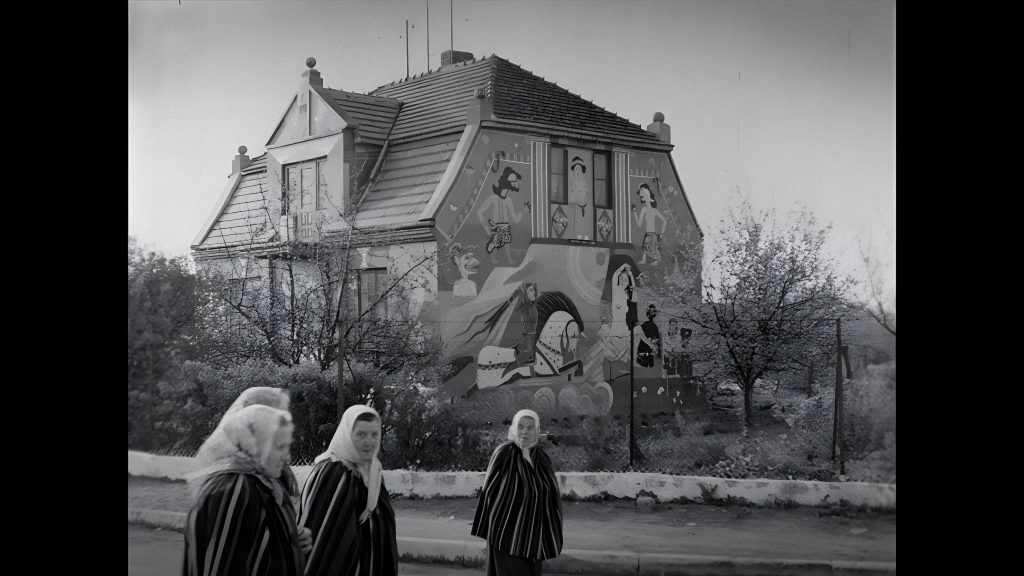
Etiuda portretuje anonimowego malarza, który pokrywa własny wiejski dom obrazami. Bohater opowiada z offu o swoich intencjach twórczych i o reakcjach, jakie wywołuje jego działalność. Tworzy świat według własnych zasad, mimo niezrozumienia, oskarżeń i społecznego sprzeciwu. Film pokazuje sztukę jako akt wolności, autoafirmacji i osobistego oporu wobec norm. To krótki, mocny portret potrzeby pozostawienia po sobie śladu.
FR
Une courte étude consacrée à un peintre anonyme qui recouvre sa maison rurale de peintures. Le protagoniste raconte en voix off ses intentions artistiques et les réactions suscitées par son travail. Il crée un monde selon ses propres règles, malgré l’incompréhension, les accusations et le rejet social. Le film montre l’art comme un acte de liberté, d’affirmation de soi et de résistance personnelle face aux normes. Un portrait bref et puissant du besoin de laisser une trace.
EN
A short study portraying an anonymous painter who covers his rural home with paintings. The protagonist speaks in voice-over about his artistic intentions and the reactions his work provokes. He creates a world according to his own rules, despite misunderstanding, accusations, and social opposition. The film presents art as an act of freedom, self-affirmation, and personal resistance to norms. A brief yet powerful portrait of the need to leave a trace.
language / langage / język oryginalny : PL
subtitles / sous-titres / napisy : EN, FR
ścieżki / pistes / tracks (PL): AD + lektor
Skarbonka
Coffre à trésors / Treasure Chest
(Polska, 2020, 7 min) reż. Karolina Gołębiowska
PL
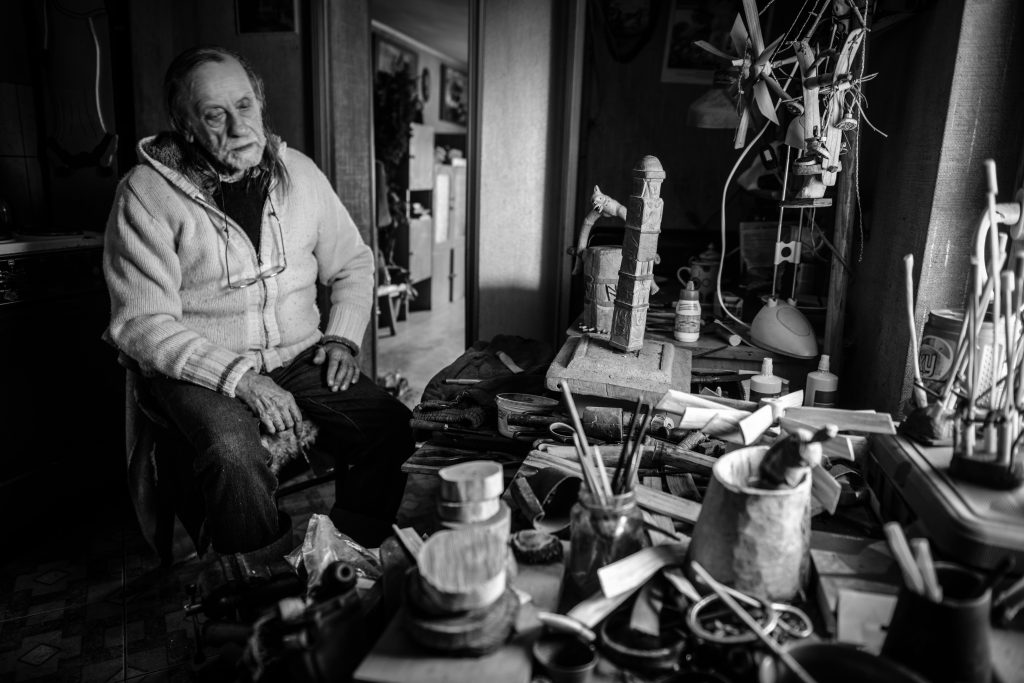
Surrealne formy balansujące między humorem a prowokacją harcują po ekranie. Film łączy wyobraźnię Józefa Sieniawskiego — twórcy falliczno-waginalnych obiektów — z animacyjną wrażliwością Karoliny Gołębiowskiej. Reżyserka ożywia jego prace, nadając im własną dynamikę i rytm. Powstaje opowieść o kreatywności, fantazji i swobodzie przekraczania granic formy. To krótka, energetyczna praca o sztuce, która nie boi się erotyki, żartu i niejednoznaczności.
Karolina Gołębiowska jest artystką wizualną, muzealniczką i reżyserką. Ukończyła Akademię Sztuki w Szczecinie, pracuje w różnych mediach, a w swojej twórczości podejmuje tematy historii i zjawisk społecznych.
FR
Des formes surréalistes, oscillant entre humour et provocation, envahissent l’écran. Le film associe l’imaginaire de Józef Sieniawski — créateur d’objets phalliques et vaginaux — à la sensibilité animée de Karolina Gołębiowska. La réalisatrice anime ses œuvres en leur donnant un rythme et une dynamique propres. Il en résulte un récit sur la créativité, l’imagination et la liberté de dépasser les limites formelles. Une œuvre courte et énergique sur un art qui n’a pas peur de l’érotisme, de l’humour et de l’ambiguïté.
Karolina Gołębiowska est artiste visuelle, muséologue et réalisatrice. Diplômée de l’Académie des Beaux-Arts de Szczecin, elle travaille dans différents médias et aborde dans sa pratique des questions liées à l’histoire et aux phénomènes sociaux.
EN
Surreal forms, balancing between humor and provocation, romp across the screen. The film combines the imagination of Józef Sieniawski—creator of phallic and vaginal objects—with the animation sensibility of Karolina Gołębiowska. The director brings his works to life, giving them their own rhythm and movement. The result is a story about creativity, imagination, and the freedom to cross formal boundaries. A short, energetic piece about an art unafraid of eroticism, humor, and ambiguity.
Karolina Gołębiowska is a visual artist, museologist, and director. She graduated from the Academy of Art in Szczecin, works across various media, and explores themes related to history and social phenomena.
language / langage / język oryginalny : PL
subtitles / sous-titres / napisy : EN, FR
ścieżki / pistes / tracks (PL): AD + lektor
Wizyty u Rogera Lorance’a w jego domu
Visites à Roger Lorance en sa maison de Villeneuve-lès-Avignon / Visits to Roger Lorance…
(Francja, 2023, 27 min) reż. C.C. Prévost
PL
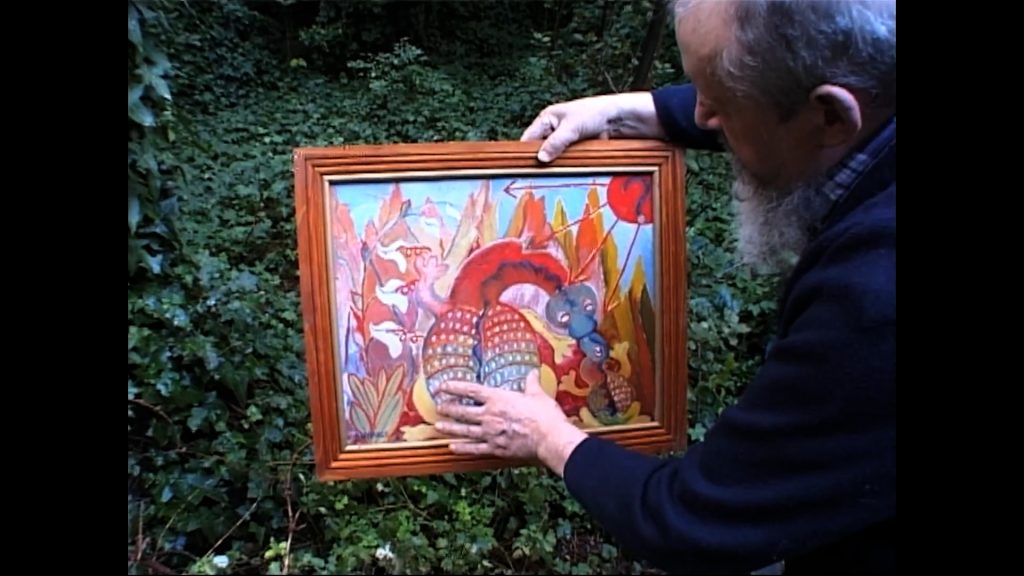
Roger Lorance opowiada o swoim życiu i twórczości — od dzieciństwa w młynie w Héricourt po dojrzewanie do własnej drogi artystycznej. Film przywołuje jego fascynację poezją, malarstwem i światem wewnętrznych wizji. Lorance mówi o wojnie, doświadczeniu egzystencjalnym i trudnej drodze do twórczej wolności. Jego sztuka pełna jest symboli, demonów i portretów współczesnych ludzi. Motto „Upadać, by zwyciężać” staje się tu kluczem do zrozumienia jego postawy.
Clovis Prévost (Jean-Marie dit Clovis Prévost) jest fotografem, filmowcem i autorem publikacji poświęconych sztuce. Realizował filmy o najważniejszych artystach XX wieku, dokumentował twórców dla galerii Maeght i współtworzył projekty poświęcone architekturze wyobraźni oraz sztuce singulier.
FR
Roger Lorance raconte sa vie et son œuvre, de son enfance dans un moulin à Héricourt à l’affirmation progressive de sa voie artistique. Le film évoque sa fascination pour la poésie, la peinture et le monde des visions intérieures. Lorance parle de la guerre, de son expérience existentielle et du long chemin vers la liberté créative. Son œuvre est peuplée de symboles, de démons et de portraits d’hommes contemporains. La devise « Tomber pour vaincre » devient une clé pour comprendre sa posture.
Clovis Prévost (Jean-Marie dit Clovis Prévost) est photographe, cinéaste et auteur de publications consacrées à l’art. Il a réalisé des films sur des artistes majeurs du XXe siècle, documenté des créateurs pour la galerie Maeght et participé à des projets autour de l’architecture de l’imaginaire et de l’art singulier.
EN
Roger Lorance speaks about his life and work—from his childhood in a mill in Héricourt to the gradual development of his own artistic path. The film evokes his fascination with poetry, painting, and the world of inner visions. Lorance reflects on war, existential experience, and the difficult journey toward creative freedom. His art is filled with symbols, demons, and portraits of contemporary people. The motto “Fall to prevail” becomes a key to understanding his outlook.
Clovis Prévost (Jean-Marie, known as Clovis Prévost) is a photographer, filmmaker, and author of publications on art. He has directed films about major 20th-century artists, documented creators for the Maeght Gallery, and contributed to projects on imaginary architecture and art singulier.
language / langage / język oryginalny : FR
subtitles / sous-titres / napisy : EN, PL
ścieżki / pistes / tracks (PL): AD + lektor
Ziętek
Ziętek / Ziętek
(Polska, 2008, 17 min) reż. Bartosz Blaschke
PL
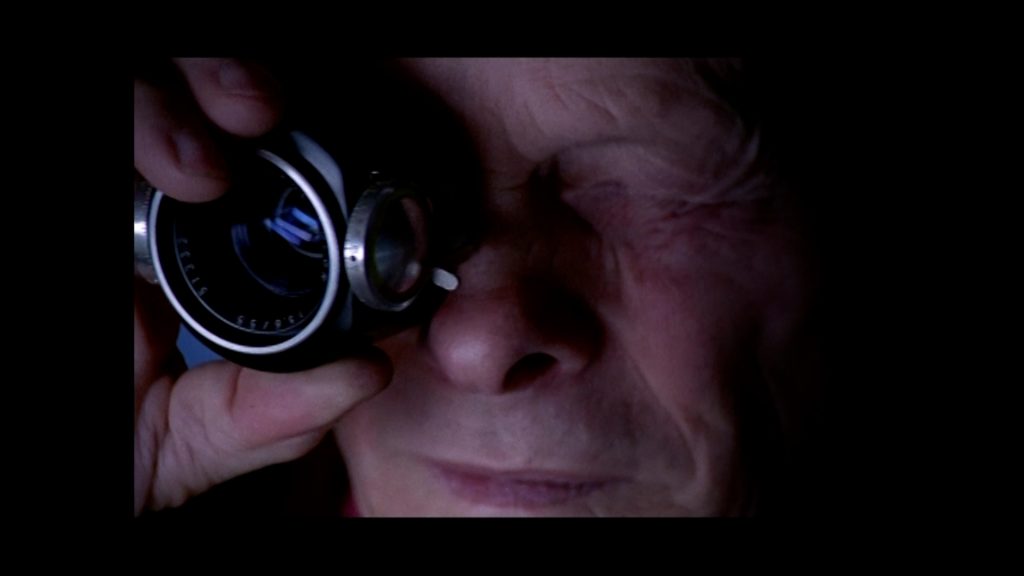
„Piękne kobiety są jak rwący potok — zaszumią, rozkochają i odchodzą. Dlatego ja swoje trzymam w domu” — mówi bohater filmu, Bogdan Ziętek. Artysta tworzy naturalnej wielkości figury kobiet, które wypełniają jego dom i otrzymują własne imiona. Z czasem drewniane lokatorki zaczynają poruszać się i wchodzić w relacje ze swoim twórcą, stając się świadkami jego marzeń, tęsknot i emocji. Film łączy dokument z poetycką fantazją, tworząc opowieść o samotności, wyobraźni i oddaniu sztuce. To portret nieoczywistej więzi między człowiekiem a jego dziełami.
Bartosz Blaschke jest reżyserem i scenarzystą filmowym, absolwentem Uniwersytetu Śląskiego i Mistrzowskiej Szkoły Reżyserii Andrzeja Wajdy. Pracuje w filmie fabularnym, dokumentalnym i telewizji, tworząc kino oparte na autentycznych historiach.
FR
« Les belles femmes sont comme un torrent — elles grondent, séduisent et s’en vont. C’est pourquoi je garde les miennes à la maison », dit Bogdan Ziętek, protagoniste du film. L’artiste crée des figures féminines grandeur nature qui remplissent sa maison et reçoivent chacune un prénom. Avec le temps, ces habitantes de bois semblent s’animer et entrer en relation avec leur créateur, devenant témoins de ses rêves, de ses désirs et de ses émotions. Le film mêle documentaire et fantaisie poétique pour raconter une histoire de solitude, d’imagination et de dévouement à l’art.
Bartosz Blaschke est réalisateur et scénariste, diplômé de l’Université de Silésie et de l’École de réalisation Andrzej Wajda. Il travaille dans le cinéma de fiction, le documentaire et la télévision, en développant un cinéma fondé sur des histoires vraies.
EN
“Beautiful women are like a rushing stream—they roar, enchant, and leave. That’s why I keep mine at home,” says Bogdan Ziętek, the film’s protagonist. The artist creates life-size female figures that fill his house, each given a name. Over time, these wooden residents seem to come alive and enter into relationships with their creator, becoming witnesses to his dreams, longings, and emotions. The film blends documentary with poetic fantasy to tell a story of solitude, imagination, and devotion to art.
Bartosz Blaschke is a film director and screenwriter, a graduate of the University of Silesia and the Andrzej Wajda Master School of Film Directing. He works in fiction, documentary, and television, creating films rooted in real-life stories.
language / langage / język oryginalny : PL
subtitles / sous-titres / napisy : EN, FR
ścieżki / pistes / tracks (PL): AD + lektor